Guests decide in seconds, and they decide with their eyes. Before a traveler reads a single word of your description, they have already formed a judgment from your photos — and that judgment sets how much demand your listing sees at any given price. AI Vision rates each photo the way a guest’s eye would, and turns a subjective gallery into a measurable asset.
Why photos price into your rate

A listing photo is not decoration; it is the storefront. Two identical units at the same nightly rate can see very different booking volumes purely on gallery quality, because photos change the conversion rate of every impression. More conversions at a given price means more demand — and more demand is what lets a pricing model hold a higher rate without losing occupancy. Photos and price are the same lever viewed from two sides.
What a vision model actually looks at
The signals that correlate with bookings are surprisingly consistent across markets:
- Light and exposure — bright, naturally lit rooms outperform dim ones by a wide margin.
- Composition — straight verticals, sensible framing, and a clear subject in each shot.
- Clutter — visible cords, crowded counters, and personal items suppress perceived quality.
- Coverage — guests want to see every space they will use: bedrooms, bathrooms, kitchen, and the view.
- Redundancy — five angles of the same sofa dilute a gallery instead of strengthening it.
A vision model scores each image on these dimensions, then evaluates the gallery as a whole: is anything missing, is the ordering right, and how does it compare against the galleries of the listings you actually compete with?
The hero image problem
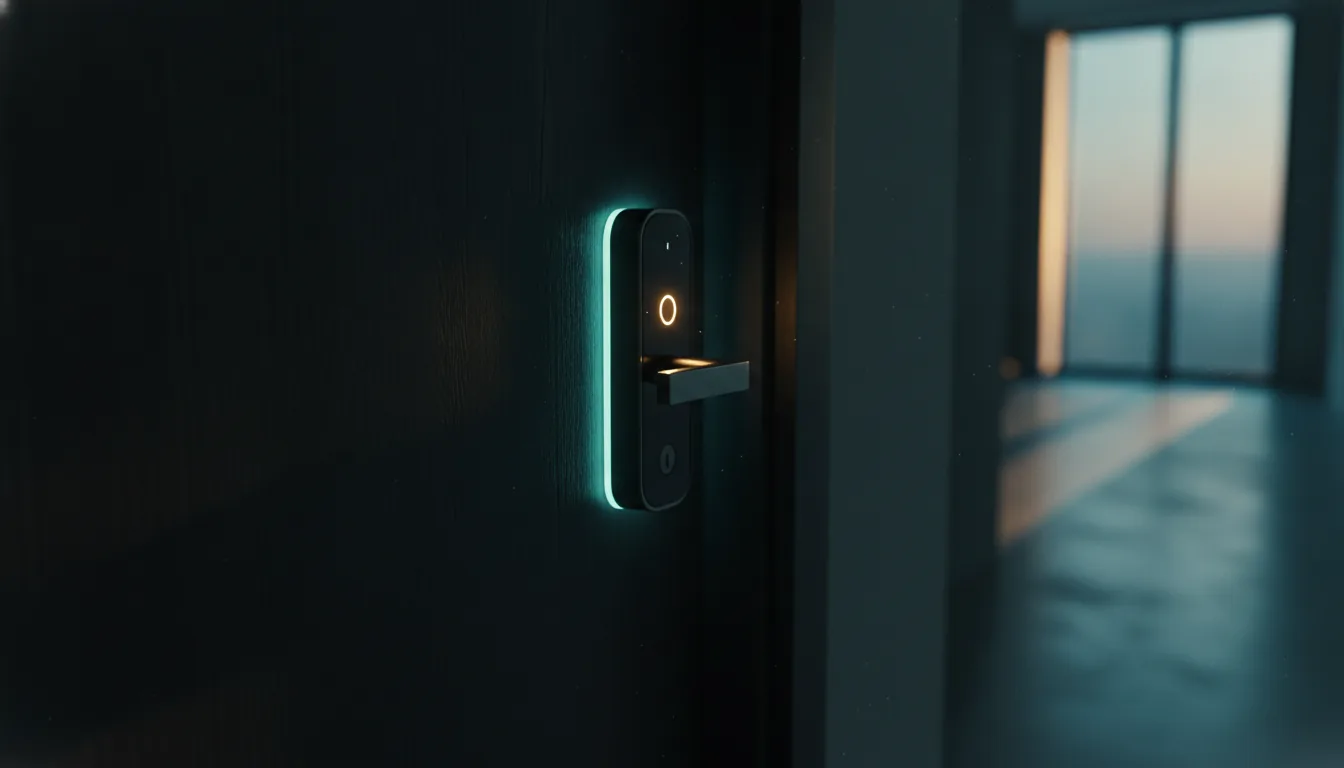
The first photo is your ad. It is what renders in search results next to your price, and it does more work than the rest of the gallery combined. The strongest hero images tend to be bright, distinctive, and specific to the property — a view, an unusual space, a defining feature — rather than a generic bedroom. If your hero underperforms the comp set’s, you are paying for it in click-through before pricing ever gets a chance.
From gut feel to a score
Instead of guessing which image to lead with, you get a ranked view of your gallery and concrete suggestions — reshoot the dim living room, lead with the terrace at golden hour, drop the third redundant exterior, add the missing bathroom shot. That turns photography from a one-time expense into a feedback loop: shoot, score, reorder, measure.
Acting on the score
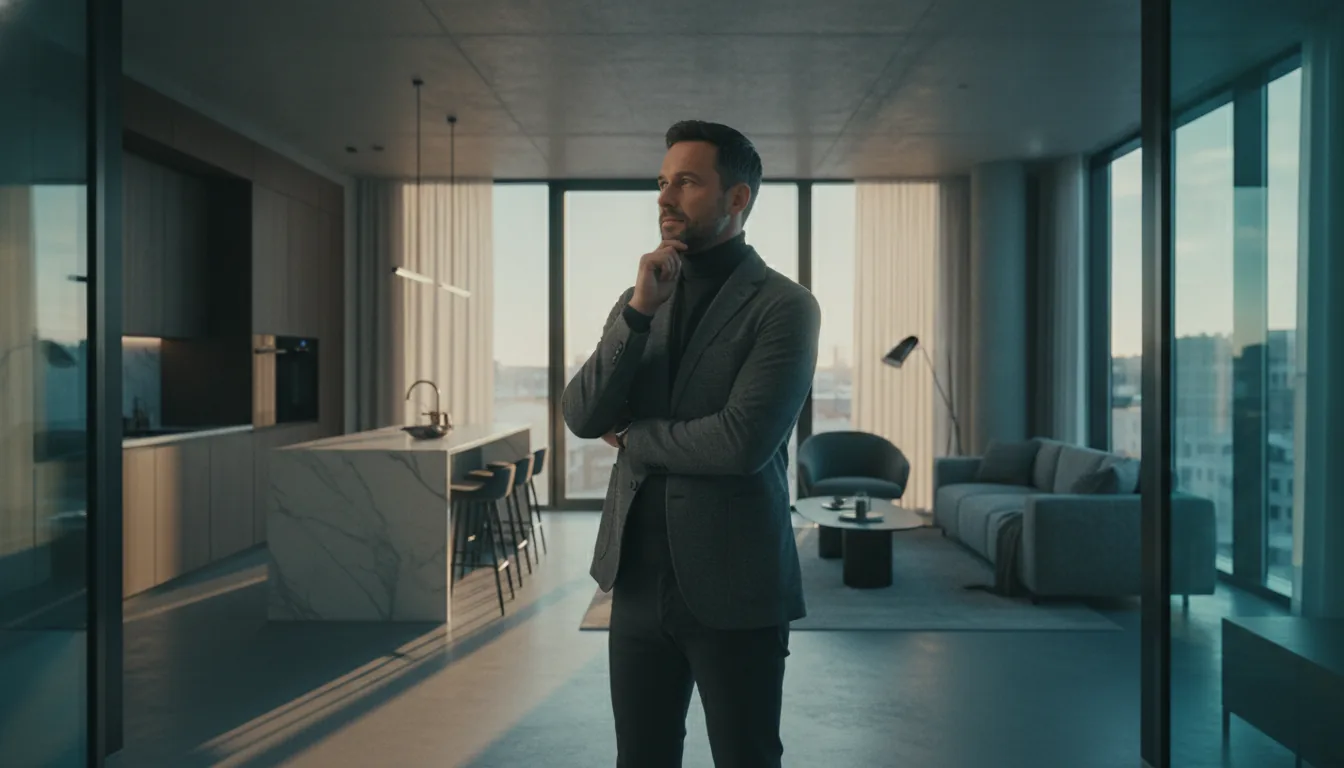
Not every fix needs a professional shoot. Re-ordering costs nothing. Removing weak or redundant shots costs nothing. A phone, a tripod, and better timing on natural light fix more galleries than new furniture does. Save the professional reshoot for the handful of images the score says are genuinely holding the listing back.
Paired with pricing, better photos mean more demand at the same rate — or the same demand at a higher one. Either way, the gallery pays for itself.